

What is the Pre - stretch Ratio of an Automatic Pre Stretch Film Rewinding Machine?
As a supplier of Automatic Pre Stretch Film Rewinding Machines, I often encounter questions from customers regarding the pre - stretch ratio of these machines. Understanding this concept is crucial for anyone involved in the packaging industry, as it directly impacts the efficiency, cost - effectiveness, and quality of the packaging process.

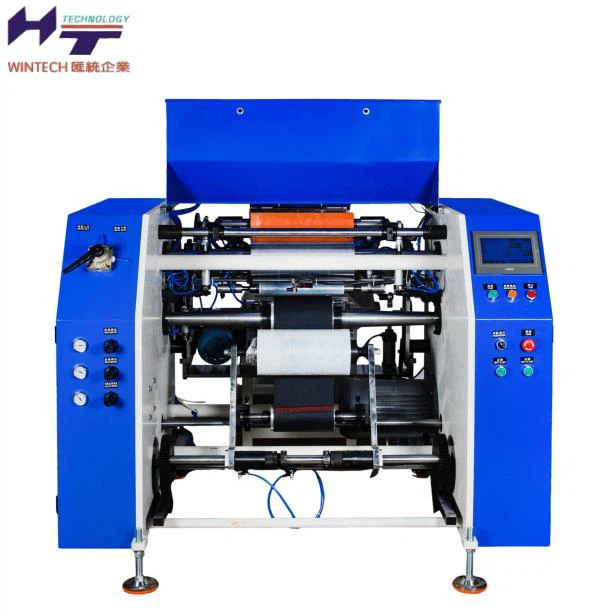
Definition of Pre - stretch Ratio
The pre - stretch ratio refers to the degree to which the stretch film is stretched before it is applied to the load. In the context of an Automatic Pre Stretch Film Rewinding Machine, this ratio is a measure of how much the machine can elongate the film from its original length. For example, a pre - stretch ratio of 200% means that the film is stretched to twice its original length. This stretching process is achieved through a series of rollers and mechanisms within the machine.
Importance of Pre - stretch Ratio
The pre - stretch ratio plays a vital role in several aspects of the packaging process. Firstly, it significantly affects the cost of packaging. When the film is stretched, less material is required to cover the same load. For instance, if a non - stretched film needs 10 meters to wrap a pallet, a film with a 200% pre - stretch ratio may only need 5 meters. This reduction in material usage leads to substantial cost savings over time.
Secondly, the pre - stretch ratio impacts the holding force of the film. A properly stretched film can conform tightly to the load, providing better stability and protection during transportation and storage. It helps prevent the load from shifting or toppling, reducing the risk of damage to the products.
Thirdly, a higher pre - stretch ratio can improve the environmental friendliness of the packaging process. By using less film, there is less waste generated, which is in line with the growing trend of sustainable packaging.
Factors Affecting the Pre - stretch Ratio
Several factors can influence the pre - stretch ratio that an Automatic Pre Stretch Film Rewinding Machine can achieve. The quality of the film itself is a significant factor. Different types of stretch films have different inherent stretch capabilities. For example, high - quality polyethylene films generally have a higher stretch limit compared to lower - grade films.
The design and condition of the machine also play a crucial role. A well - designed machine with precision - engineered rollers and a reliable drive system can achieve a more consistent and higher pre - stretch ratio. Regular maintenance of the machine is essential to ensure that all components are functioning optimally. If the rollers are worn or misaligned, it can affect the stretching process and result in an inconsistent pre - stretch ratio.
The speed at which the machine operates can also impact the pre - stretch ratio. At higher speeds, the film may not have enough time to stretch evenly, leading to a lower effective pre - stretch ratio. Therefore, it is necessary to find the right balance between speed and stretch ratio to achieve the best results.
Measuring the Pre - stretch Ratio
There are several methods to measure the pre - stretch ratio. One common method is to measure the length of the film before and after stretching. By dividing the length of the stretched film by the length of the original film and multiplying by 100%, the pre - stretch ratio can be calculated.
Another approach is to use specialized sensors and monitoring systems integrated into the Automatic Pre Stretch Film Rewinding Machine. These systems can continuously measure and adjust the stretching process to maintain a consistent pre - stretch ratio.
Our Automatic Pre Stretch Film Rewinding Machines
At our company, we offer a range of Automatic Pre Stretch Film Rewinding Machines with different pre - stretch ratio capabilities. Our Automatic Five Shafts PE Cling Film Rewinding Machine is designed to achieve a high and consistent pre - stretch ratio. It features advanced roller technology and a precise drive system, ensuring that the film is stretched evenly and efficiently.
The Tear Line Small Rewinding Machine is another option for customers with specific requirements. It is suitable for small - scale operations and can still provide a reliable pre - stretch ratio.
Our Stretch Film Rewinding Machine is a versatile solution that can handle different types of stretch films and achieve a wide range of pre - stretch ratios. It is equipped with user - friendly controls, allowing operators to easily adjust the pre - stretch ratio according to their needs.
Choosing the Right Pre - stretch Ratio
When choosing an Automatic Pre Stretch Film Rewinding Machine, it is important to consider the specific requirements of your packaging process. If you are packaging lightweight or small items, a lower pre - stretch ratio may be sufficient. However, for heavy or large - sized loads, a higher pre - stretch ratio can provide better stability and cost savings.
It is also advisable to conduct tests with different pre - stretch ratios on your actual products to determine the optimal setting. This will help you achieve the best balance between cost, performance, and product protection.
Contact Us for Purchase and Consultation
If you are interested in learning more about our Automatic Pre Stretch Film Rewinding Machines or need assistance in choosing the right pre - stretch ratio for your packaging needs, we encourage you to contact us. Our team of experts is ready to provide you with detailed information and guidance. We can also offer on - site demonstrations and trials to help you make an informed decision.
In conclusion, understanding the pre - stretch ratio of an Automatic Pre Stretch Film Rewinding Machine is essential for optimizing the packaging process. By choosing the right machine and pre - stretch ratio, you can achieve significant cost savings, improve product protection, and contribute to a more sustainable packaging solution.
References
- Packaging Machinery Handbook, Third Edition. Edited by Charles P. Rauscher.
- Stretch Film Technology and Applications. A technical publication by leading industry experts.