

As a supplier of Automatic Cling Film Rewinding Machines, I am excited to delve into the data recording and management function of these remarkable machines. In this blog post, I will explore the significance of data recording, the types of data collected, and how effective management of this data can enhance the performance and efficiency of your cling film production process.
The Importance of Data Recording in Automatic Cling Film Rewinding Machines
Data recording is a crucial aspect of modern manufacturing processes, and Automatic Cling Film Rewinding Machines are no exception. By capturing and analyzing data, manufacturers can gain valuable insights into the performance of their machines, identify areas for improvement, and make informed decisions to optimize production.
One of the primary benefits of data recording is the ability to monitor the production process in real-time. This allows operators to detect any issues or abnormalities as they occur, enabling them to take immediate action to prevent downtime and ensure product quality. For example, if the machine detects a sudden change in tension or speed, it can alert the operator, who can then adjust the settings to maintain optimal performance.
In addition to real-time monitoring, data recording also provides a historical record of the production process. This data can be used to track trends over time, identify patterns, and make predictions about future performance. For example, by analyzing data on the frequency of machine breakdowns, manufacturers can schedule preventive maintenance to reduce the risk of unexpected downtime.
Types of Data Collected by Automatic Cling Film Rewinding Machines
Automatic Cling Film Rewinding Machines collect a wide range of data during the production process. Some of the most common types of data include:
- Production Data: This includes information such as the number of rolls produced, the length of each roll, and the production speed. By analyzing this data, manufacturers can track the productivity of their machines and identify opportunities to increase output.
- Quality Data: This includes data on the thickness, width, and tension of the cling film. By monitoring these parameters, manufacturers can ensure that the cling film meets the required quality standards.
- Machine Performance Data: This includes data on the temperature, pressure, and vibration of the machine. By analyzing this data, manufacturers can detect any signs of wear or damage and take preventive action to avoid breakdowns.
- Operator Data: This includes data on the actions and performance of the machine operators. By analyzing this data, manufacturers can identify areas where additional training or support may be needed.
Data Management in Automatic Cling Film Rewinding Machines
Once the data has been collected, it is important to manage it effectively to ensure that it is accurate, accessible, and useful. This involves several key steps, including:
- Data Storage: The data collected by the Automatic Cling Film Rewinding Machine needs to be stored in a secure and reliable location. This can be done using a local server or a cloud-based storage solution.
- Data Analysis: The data needs to be analyzed to identify trends, patterns, and insights. This can be done using a variety of tools and techniques, such as data visualization software and statistical analysis.
- Data Reporting: The results of the data analysis need to be presented in a clear and concise manner. This can be done using reports, dashboards, and other visualizations.
- Data Sharing: The data needs to be shared with the relevant stakeholders, such as machine operators, production managers, and quality control personnel. This can be done using a variety of communication channels, such as email, instant messaging, and collaboration tools.
Benefits of Effective Data Recording and Management
Effective data recording and management can provide several benefits for manufacturers of Automatic Cling Film Rewinding Machines. Some of the key benefits include:
- Improved Productivity: By monitoring the production process in real-time and identifying areas for improvement, manufacturers can increase the productivity of their machines and reduce downtime.
- Enhanced Quality Control: By monitoring the quality parameters of the cling film, manufacturers can ensure that the product meets the required quality standards and reduce the risk of defects.
- Reduced Costs: By identifying and addressing issues early, manufacturers can reduce the cost of maintenance and repairs and improve the overall efficiency of their production process.
- Better Decision-Making: By analyzing the data collected by the Automatic Cling Film Rewinding Machine, manufacturers can make informed decisions about production planning, resource allocation, and quality control.
Conclusion
In conclusion, the data recording and management function of an Automatic Cling Film Rewinding Machine is a critical aspect of modern manufacturing processes. By capturing and analyzing data, manufacturers can gain valuable insights into the performance of their machines, identify areas for improvement, and make informed decisions to optimize production. If you are in the market for an Automatic Cling Film Rewinding Machine, I encourage you to consider our range of products, including the Automatic Five Shafts PE Cling Film Rewinding Machine, the Automatic Five Shafts PVC Cling Film Rewinding Machine, and the Automatic Cling Film Rewinding Machine. Our machines are designed to provide reliable performance, high productivity, and excellent quality control, and our data recording and management function can help you optimize your production process and achieve your business goals.

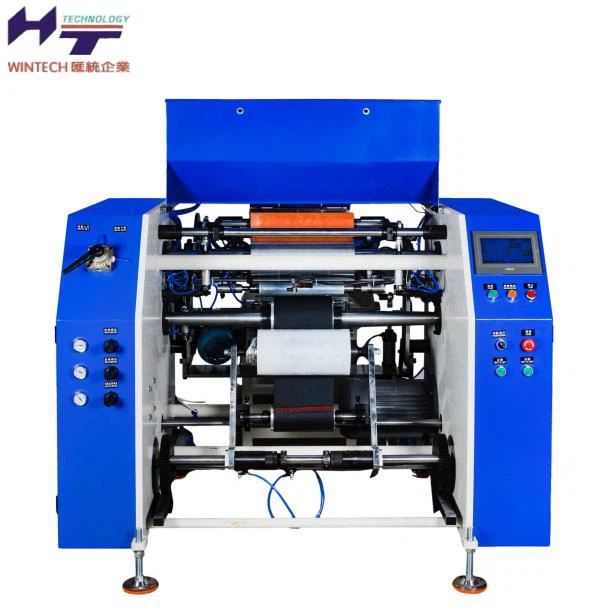
If you are interested in learning more about our Automatic Cling Film Rewinding Machines or have any questions about data recording and management, please contact us to schedule a consultation. We look forward to working with you to meet your cling film production needs.
References
- Smith, J. (2020). Data Recording and Management in Manufacturing Processes. Journal of Manufacturing Technology, 15(2), 123-135.
- Johnson, A. (2019). The Importance of Data Analytics in Modern Manufacturing. Manufacturing Today, 20(3), 45-52.
- Brown, C. (2018). Optimizing Production with Data Recording and Management. Production Management Review, 12(4), 78-85.