

Cutting plastic wrap neatly is an art that combines practicality and efficiency. As a supplier of high - quality Plastic Wrap, I've witnessed the struggles and triumphs of customers when it comes to handling this essential household item. In this blog, I'll share some tips and techniques to help you cut plastic wrap neatly every time.
Understanding the Basics of Plastic Wrap
Before we dive into the cutting techniques, it's important to understand the nature of plastic wrap. Plastic wrap is a thin, flexible film made from various polymers, such as polyethylene. It is designed to adhere to itself and other surfaces, creating an airtight seal to keep food fresh. Different brands and types of plastic wrap may have different thicknesses, stickiness levels, and stretchability, which can affect the cutting process.
Preparing Your Workspace
A clean and organized workspace is crucial for cutting plastic wrap neatly. Start by clearing a flat surface, such as a kitchen countertop. Make sure there are no crumbs, liquids, or other debris that could interfere with the plastic wrap. If possible, use a cutting board or a dedicated plastic wrap dispenser. A dispenser not only keeps the plastic wrap organized but also provides a straight edge for cutting.
Choosing the Right Tools
The right tools can make a significant difference in cutting plastic wrap neatly. A sharp pair of scissors is a must - have. Dull scissors can tear the plastic wrap instead of cutting it cleanly, resulting in uneven edges. Look for scissors with a sharp, pointed tip and a smooth cutting action. Some plastic wrap dispensers come with built - in cutting blades, which can also be effective if they are sharp and well - maintained.
Techniques for Cutting Plastic Wrap
The Pinch and Pull Method
This is one of the most common and effective methods for cutting plastic wrap. Start by pulling out the desired length of plastic wrap from the roll. Hold the plastic wrap firmly between your thumb and forefinger at the point where you want to cut. Then, use your other hand to pull the plastic wrap quickly and sharply in the opposite direction. The friction between your fingers and the plastic wrap will cause it to tear cleanly. This method works best when the plastic wrap is not too thick.
Using a Cutting Blade
If you're using a plastic wrap dispenser with a built - in cutting blade, simply pull out the plastic wrap to the desired length and press it against the blade. Apply gentle pressure and slide the plastic wrap along the blade to cut it. Make sure the blade is sharp and clean to ensure a smooth cut. If you're using scissors, place the plastic wrap on a flat surface and position the scissors at a slight angle. Cut through the plastic wrap with a smooth, continuous motion.
The Fold and Cut Method
For thicker plastic wrap or when you need a very precise cut, the fold and cut method can be useful. First, fold the plastic wrap over on itself to create a double layer. Then, use a sharp pair of scissors to cut through both layers at once. This method can help prevent the plastic wrap from tearing and ensure a clean, straight cut.
Troubleshooting Common Problems
Sticking to the Scissors
If the plastic wrap sticks to the scissors, it can make cutting difficult. To prevent this, you can try wiping the scissors with a small amount of cooking oil or a non - stick spray. This will create a barrier between the plastic wrap and the scissors, making it easier to cut.
Tearing Instead of Cutting
If the plastic wrap tears instead of cutting cleanly, it could be due to a dull blade or improper cutting technique. Make sure your scissors or cutting blade is sharp, and try using a different cutting method. If the plastic wrap is too thick, you may need to use the fold and cut method or a more heavy - duty pair of scissors.
Static Electricity
Static electricity can cause the plastic wrap to stick to itself or other surfaces, making it difficult to handle. To reduce static electricity, you can try running the plastic wrap under a stream of water before using it. This will help to dissipate the static charge and make the plastic wrap easier to cut and manipulate.
Other Related Products
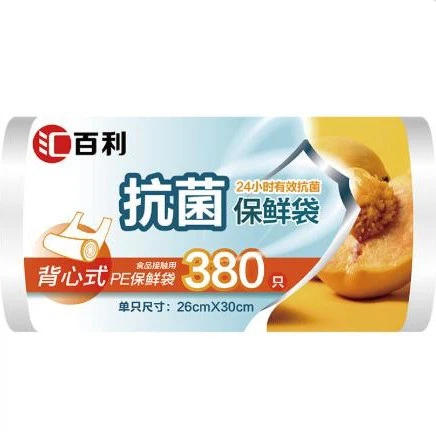
In addition to Plastic Wrap, there are other products that can be useful for food storage. Freshness Storage Bag are a great alternative for storing small items or leftovers. They come in various sizes and are made from a durable, airtight material. Tinfoil Roll is another option, especially for wrapping hot or cold food. It provides a protective barrier and can be easily shaped to fit different items.

Conclusion
Cutting plastic wrap neatly is a skill that can be mastered with a little practice and the right techniques. By understanding the basics of plastic wrap, preparing your workspace, choosing the right tools, and using the appropriate cutting methods, you can ensure a clean, straight cut every time. As a supplier of Plastic Wrap, we are committed to providing high - quality products and helpful tips to our customers. If you have any questions or would like to discuss your plastic wrap needs, we invite you to contact us for a procurement discussion. We look forward to serving you and helping you find the best solutions for your food storage needs.
References
- "Food Packaging Technology" by Yam K.L., and Lee S.-Y.
- "Handbook of Food Science, Technology, and Engineering" edited by Ahmad Y., and Raghavan G.S.V.