

Hey there! As a supplier of food film wraps, I often get asked about what these handy products are made of. So, I thought I'd take a deep - dive into the materials that go into making food film wraps and share some insights with you all.
Polyethylene (PE)
One of the most common materials used in food film wraps is polyethylene. It's a type of plastic that comes in two main forms: low - density polyethylene (LDPE) and high - density polyethylene (HDPE).
LDPE is super flexible and stretchy, which makes it perfect for wrapping all kinds of food items. It has a great ability to conform to the shape of the food, whether it's a sandwich, a piece of fruit, or a leftover casserole. You'll find LDPE in a lot of the Plastic Wrap that's out there. It creates a tight seal around the food, keeping air and moisture out, and helping to preserve the freshness of your groceries.
HDPE, on the other hand, is a bit more rigid. It's often used in thicker food wraps and Freshness Storage Bag. HDPE is strong and puncture - resistant, so it can protect your food from getting damaged. For example, if you're storing something with sharp edges, like a block of cheese with a rind, an HDPE storage bag will do a great job of keeping it safe.
The great thing about polyethylene is that it's relatively inexpensive to produce. This means that we can offer high - quality food film wraps at an affordable price. Also, it's non - toxic, so it's safe to use with food. However, like all plastics, it's important to dispose of polyethylene food wraps properly to minimize environmental impact.
Polyvinyl Chloride (PVC)
Polyvinyl chloride, or PVC, used to be a very popular choice for food film wraps. PVC wraps are known for their excellent cling. They stick to themselves and to the container very well, creating an airtight seal. This is especially useful when you're wrapping up bowls of leftovers or covering plates.
The clinginess of PVC wraps comes from the plasticizers that are added to the PVC resin. These plasticizers make the film more flexible and give it that sticky quality. However, there have been some concerns about the safety of PVC wraps. Some of the plasticizers used in PVC can leach into food, especially when the food is fatty or when the wrap is heated.
Due to these safety concerns, many manufacturers have started to move away from using PVC in food film wraps. But if you do come across PVC wraps, make sure to follow the usage instructions carefully. Avoid using them in the microwave or with high - fat foods to reduce the risk of chemical migration.
Polypropylene (PP)
Polypropylene is another material that's used in food film wraps. It has a high melting point, which makes it suitable for use in the microwave. Unlike some other plastics, polypropylene won't melt or warp when exposed to moderate heat.
PP wraps are also very clear, so you can easily see what's inside the wrapped food. This is handy when you're trying to find something in your fridge quickly. They're also resistant to moisture and chemicals, which helps to keep your food fresh and protected.
Polypropylene is a bit stiffer than LDPE, but it's still flexible enough to wrap around food items. You can find polypropylene in various types of food storage products, including some Freshness Storage Bag and wraps designed for use in the kitchen.
Biodegradable and Compostable Materials
In recent years, there's been a growing demand for more environmentally friendly food film wraps. That's why many companies, including ours, are starting to offer wraps made from biodegradable and compostable materials.
One such material is cellulose, which is derived from plants. Cellulose wraps are made from wood pulp or other plant fibers. They're completely biodegradable and can be composted at home or in industrial composting facilities. Cellulose wraps are breathable, which means they allow some air to circulate around the food. This can be beneficial for certain types of produce, like fruits and vegetables, as it helps to prevent mold and spoilage.
Another option is PLA (polylactic acid), which is made from renewable resources like corn starch or sugarcane. PLA wraps have similar properties to traditional plastic wraps, but they break down much faster in the environment. They're a great alternative for those who want to reduce their plastic waste.
How the Choice of Material Affects the Product
The material used in food film wraps has a big impact on their performance. For example, if you're looking for a wrap that's great for everyday use in the fridge, an LDPE wrap might be your best bet. It's flexible, affordable, and does a good job of keeping food fresh.
If you need a wrap for the microwave, polypropylene is the way to go. Its high melting point ensures that it won't melt or release harmful chemicals when heated. And if you're environmentally conscious, you might want to choose a biodegradable or compostable wrap.
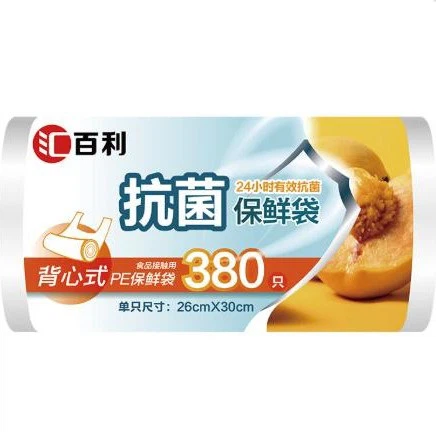

As a supplier, we understand the importance of offering a variety of options to meet the different needs of our customers. Whether you're a home cook, a restaurant owner, or a food manufacturer, we have the right food film wrap for you.
Environmental Considerations
We're all becoming more aware of the impact that plastic waste has on the environment. As a supplier, we're committed to doing our part to reduce this impact. That's why we're constantly looking for ways to improve the sustainability of our products.
We're increasing our range of biodegradable and compostable food film wraps. These products break down naturally in the environment, reducing the amount of plastic that ends up in landfills or the ocean. We're also working on improving the recyclability of our traditional plastic wraps. By using materials that are easier to recycle, we can help to close the loop on plastic waste.
Conclusion
So, there you have it - a breakdown of the materials that food film wraps are made of. From polyethylene to biodegradable cellulose, each material has its own unique properties and uses. As a supplier, we're dedicated to providing high - quality food film wraps that meet the diverse needs of our customers while also being mindful of the environment.
If you're in the market for food film wraps, whether it's for your home kitchen, your business, or any other purpose, we'd love to talk to you. We can help you choose the right product based on your specific requirements. Don't hesitate to reach out and start a conversation about your food film wrap needs. We're here to make sure you get the best possible solution for keeping your food fresh and protected.
References
- "Food Packaging Materials: A Review." Journal of Food Science and Technology.
- "Environmental Impact of Plastic Packaging." Environmental Science & Technology.
- "Safety of Plasticizers in Food Contact Materials." Food Additives and Contaminants.