

When it comes to the world of household essentials, plastic wrap stands out as a versatile and indispensable item. As a trusted Plastic Wrap supplier, I often get asked about the maximum temperature that plastic wrap can withstand. This is a crucial question, especially considering the various ways plastic wrap is used in our daily lives, from covering food in the refrigerator to being used in the microwave or oven.
Understanding the Basics of Plastic Wrap
Plastic wrap, also known as cling film or food wrap, is typically made from polymers such as polyethylene (PE), polyvinyl chloride (PVC), or polyvinylidene chloride (PVDC). Each type of plastic has its own unique properties, which in turn affect its heat resistance.
Polyethylene is the most common material used in plastic wrap. It is known for its flexibility, transparency, and ability to cling to surfaces. However, its heat resistance is relatively low compared to other polymers. Polyvinyl chloride is another popular choice, offering better clarity and cling than polyethylene. It also has a slightly higher heat resistance. Polyvinylidene chloride, on the other hand, is known for its excellent barrier properties, keeping food fresh for longer periods. It also has a relatively high heat resistance.
Maximum Temperature Tolerance
The maximum temperature that plastic wrap can withstand varies depending on the type of plastic used and the specific product. In general, most standard plastic wraps can withstand temperatures up to around 120°F (49°C). This makes them suitable for use in the refrigerator and for covering cold or room-temperature food.
However, if you plan to use plastic wrap in the microwave or oven, you need to be more cautious. Some plastic wraps are specifically designed for microwave use and can withstand temperatures up to 200°F (93°C). These microwave-safe wraps are usually labeled as such and have been tested to ensure they do not release harmful chemicals when heated.
When it comes to using plastic wrap in the oven, the situation is more complicated. Most plastic wraps are not designed to be used in the oven, as the high temperatures can cause the plastic to melt, release toxic fumes, and potentially catch fire. However, there are some specialized oven-safe plastic wraps available on the market that can withstand temperatures up to 400°F (204°C). These wraps are typically made from high-temperature-resistant polymers and are designed to be used for short periods of time in the oven.
Factors Affecting Heat Resistance
Several factors can affect the heat resistance of plastic wrap. One of the most important factors is the thickness of the wrap. Thicker plastic wraps generally have a higher heat resistance than thinner ones. This is because the thicker material provides more insulation and is less likely to melt or deform at high temperatures.
The type of food being wrapped also plays a role. Foods that are high in fat or sugar can cause the plastic wrap to heat up more quickly, increasing the risk of melting. Additionally, if the food is wrapped tightly, it can create a sealed environment that traps heat and increases the temperature inside the wrap.
The duration of exposure to heat is another important factor. Even if a plastic wrap is rated for a certain temperature, prolonged exposure to heat can cause it to break down and release harmful chemicals. It is important to follow the manufacturer's instructions and not exceed the recommended temperature and time limits.
Safety Precautions
To ensure the safe use of plastic wrap, it is important to follow some basic safety precautions. First, always check the label to make sure the plastic wrap is suitable for the intended use. If you are using plastic wrap in the microwave, make sure it is labeled as microwave-safe.
When using plastic wrap in the microwave, leave a small opening in the wrap to allow steam to escape. This will prevent the wrap from bursting and reduce the risk of splattering. Additionally, avoid using plastic wrap that is in direct contact with food, as this can increase the risk of the plastic melting and coming into contact with the food.
If you are using plastic wrap in the oven, make sure it is oven-safe and follow the manufacturer's instructions carefully. Do not use plastic wrap that is not specifically designed for oven use, as this can be extremely dangerous.
Other Household Products
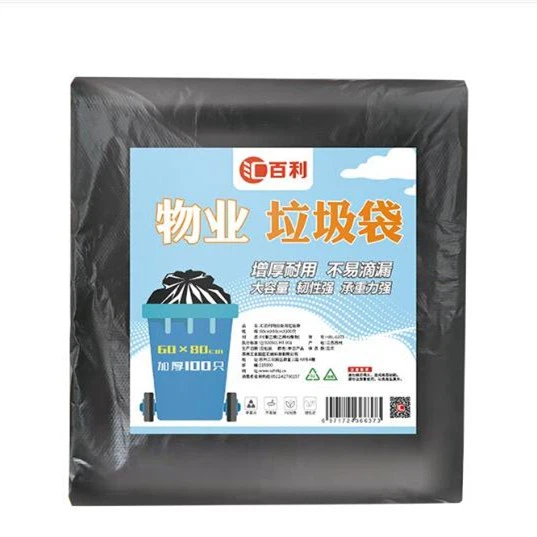
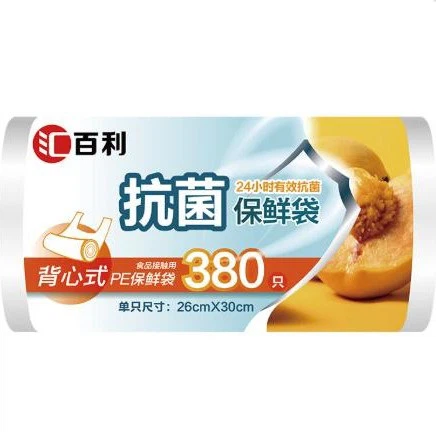
In addition to plastic wrap, our company also offers a range of other household products, including Garbage Bag and Freshness Storage Bag. Our garbage bags are made from high-quality materials and are designed to be strong and durable. They come in a variety of sizes to meet your needs. Our freshness storage bags are perfect for keeping food fresh and organized. They are made from a special material that helps to preserve the freshness of food for longer periods of time.
Conclusion
In conclusion, the maximum temperature that plastic wrap can withstand depends on the type of plastic used and the specific product. Most standard plastic wraps can withstand temperatures up to around 120°F (49°C), while some microwave-safe wraps can withstand temperatures up to 200°F (93°C). Specialized oven-safe plastic wraps can withstand temperatures up to 400°F (204°C).
It is important to follow the manufacturer's instructions and take the necessary safety precautions when using plastic wrap. By doing so, you can ensure the safe and effective use of this versatile household essential.
If you are interested in purchasing our high-quality Plastic Wrap or other household products, please feel free to contact us for more information and to discuss your specific needs. We look forward to working with you!
References
- "Food Packaging: Principles and Practice" by Yam, K. L., & Lee, S. Y.
- "Plastics Technology Handbook" by Rosato, D. V., & Rosato, D. V.
- Manufacturer's product labels and instructions.