

Hey there! As an eco cling film supplier, I often get asked about the difference between eco cling film and cellophane. It's a great question, and today, I'm gonna break it down for you.
Let's start with a bit of background. Eco cling film, as the name suggests, is an environmentally - friendly alternative to traditional plastic cling films. It's made from materials that are either biodegradable, compostable, or sourced from renewable resources. On the other hand, cellophane has been around for a long time. It's a thin, transparent sheet made from cellulose, which is derived from wood pulp or cotton linters.

Appearance and Physical Properties
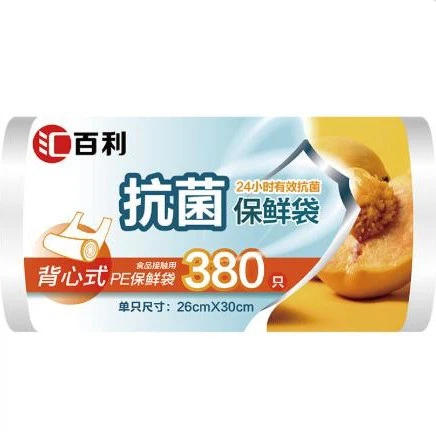
First off, let's talk about how they look and feel. Eco cling film is usually very flexible and has a strong clinging ability. You can easily wrap it around food containers, plates, or even irregularly - shaped items. It sticks to itself and the surface it's covering, creating a tight seal. This is super useful for keeping food fresh by preventing air and moisture from getting in or out.
Cellophane, however, is a bit stiffer. It doesn't have the same self - clinging property as eco cling film. You often need to use tape or ties to secure it when wrapping things. In terms of transparency, both are pretty clear, but eco cling film might have a slightly matte finish in some cases, while cellophane has a more glossy look.
Environmental Impact
This is where the difference becomes really significant. As an eco cling film supplier, I'm all about reducing the environmental footprint. Eco cling film is designed to be more sustainable. Many types are made from plant - based materials like cornstarch or sugarcane. These materials break down naturally in the environment, either in a composting facility or in soil over time. Some eco cling films are also recyclable, which means they can be turned into new products instead of ending up in landfills.
Cellophane, although it's made from a natural material (cellulose), has its own environmental issues. The production process of cellophane involves a lot of chemicals and energy. Also, not all cellophane is biodegradable. Some types are coated with a thin layer of plastic to make them moisture - resistant, which can prevent them from breaking down easily.
Food Safety
When it comes to using these products for food storage, both eco cling film and cellophane are generally considered safe. Eco cling film is specifically designed to meet food - contact safety standards. It doesn't leach harmful chemicals into food, even when in contact with hot or fatty foods. This is crucial for keeping our food healthy and free from contaminants.
Cellophane is also safe for food contact, but you need to be careful with the coated versions. Some of the coatings might contain substances that could potentially be harmful if they come into contact with food under certain conditions. So, always check the product label to make sure it's suitable for food use.
Cost
Cost is another factor that might influence your choice. Eco cling film can be a bit more expensive than traditional plastic cling films, but it's often comparable in price to cellophane. The higher cost of eco cling film is mainly due to the more sustainable production methods and the use of natural materials. However, as the demand for eco - friendly products increases, the cost is gradually coming down.
Applications
Eco cling film is extremely versatile. You can use it in the kitchen for covering leftovers, wrapping sandwiches, or keeping fruits and vegetables fresh. It's also great for freezing food, as it can withstand low temperatures without becoming brittle. You can check out our Plastic Wrap for more options.
Cellophane, on the other hand, is widely used in the packaging industry. It's often used to wrap gifts, flowers, or small retail items because of its elegant and glossy appearance. You can also use it for food packaging in some cases, like wrapping baked goods or candies. If you're looking for something to store your food in a different way, our Freshness Storage Bag could be a great option.
Durability
Eco cling film is quite durable when it comes to normal kitchen use. It can handle being stretched and wrapped around various objects without tearing easily. However, it might not be as strong as some traditional plastic films in extreme conditions, like when you're trying to wrap a very large or heavy item.
Cellophane is relatively fragile. It can tear easily, especially when it's wet or if it's being handled roughly. So, if you need a material that can withstand a bit of abuse, eco cling film is probably a better choice.
Shelf Life
Both eco cling film and cellophane have a decent shelf life. Eco cling film can last for a long time if stored properly in a cool, dry place. It doesn't lose its clinging ability quickly, so you can keep it in your kitchen drawer for months without any issues.
Cellophane also has a good shelf life, but the coated versions might start to lose their moisture - resistant properties over time. So, it's best to use them within a reasonable period.
Conclusion
In conclusion, both eco cling film and cellophane have their own unique features. If you're looking for an environmentally - friendly, self - clinging, and versatile option for food storage, eco cling film is the way to go. It's a great choice for the health - conscious and eco - aware consumer. On the other hand, if you need something for gift - wrapping or small - scale retail packaging, cellophane's glossy appearance might be more suitable.
If you're interested in purchasing eco cling film for your home or business, feel free to reach out for more information. We offer high - quality eco cling film that meets all your food - storage needs. And if you need other household products like Tinfoil Roll, we've got you covered too. Let's start a conversation about your requirements and see how we can help you make the switch to more sustainable products.
References
- "The Handbook of Biodegradable Polymers" by Aji P. Mathew, Sabu Thomas, and Luiz H. C. Mattoso.
- "Food Packaging: Principles and Practice" by Marilyn Martens.
- Various product information sheets from eco cling film and cellophane manufacturers.