

Hey there! As a plastic wrap supplier, I often get asked, "What is plastic wrap made of?" Well, let's dive right into it and explore the ins and outs of this everyday household item.
The Basics of Plastic Wrap
Plastic wrap, also known as cling film, food wrap, or saran wrap, is a thin plastic film commonly used to cover food items, keep them fresh, and prevent spills. It's super handy in the kitchen, and you can find it in almost every household. But what exactly is it made of?
Most plastic wraps are made from one of three main types of plastic: polyethylene (PE), polyvinyl chloride (PVC), or polyvinylidene chloride (PVDC). These plastics have different properties and are used for various applications, so let's take a closer look at each one.
Polyethylene (PE) Plastic Wrap
Polyethylene is the most common type of plastic used in plastic wrap. It's a thermoplastic polymer made from the monomer ethylene, which is derived from natural gas or petroleum. PE plastic wrap is known for its flexibility, transparency, and resistance to moisture and chemicals.
There are two main types of polyethylene used in plastic wrap: low-density polyethylene (LDPE) and linear low-density polyethylene (LLDPE). LDPE is softer and more flexible, while LLDPE is stronger and more puncture-resistant. Both types are commonly used in food packaging because they're safe for contact with food and don't leach harmful chemicals.

One of the advantages of PE plastic wrap is that it's recyclable in some areas. However, it's important to check with your local recycling facility to see if they accept it. Additionally, PE plastic wrap is biodegradable under certain conditions, which makes it a more environmentally friendly option compared to other types of plastic.
Polyvinyl Chloride (PVC) Plastic Wrap
Polyvinyl chloride is another type of plastic used in plastic wrap. It's a synthetic polymer made from the monomer vinyl chloride, which is derived from chlorine and ethylene. PVC plastic wrap is known for its excellent cling properties, which makes it ideal for wrapping food items tightly.
However, PVC plastic wrap has some drawbacks. It contains phthalates, which are plasticizers used to make the plastic more flexible. Phthalates have been linked to health problems, such as hormone disruption and reproductive issues. As a result, many countries have restricted or banned the use of PVC plastic wrap in food packaging.
In addition to health concerns, PVC plastic wrap is not recyclable in most areas. It also releases toxic chemicals when it's burned, which can contribute to air pollution. For these reasons, many consumers are choosing to avoid PVC plastic wrap and opt for safer alternatives.
Polyvinylidene Chloride (PVDC) Plastic Wrap
Polyvinylidene chloride is a type of plastic used in some high-end plastic wraps. It's a synthetic polymer made from the monomer vinylidene chloride, which is derived from chlorine and ethylene. PVDC plastic wrap is known for its excellent barrier properties, which makes it ideal for keeping food fresh for longer periods of time.
PVDC plastic wrap is also resistant to oxygen, moisture, and odors, which helps to prevent food from spoiling. It's commonly used in the food industry for packaging meat, cheese, and other perishable items. However, PVDC plastic wrap is more expensive than other types of plastic wrap, which makes it less popular among consumers.
Like PVC plastic wrap, PVDC plastic wrap contains chlorine, which can release toxic chemicals when it's burned. It's also not recyclable in most areas. For these reasons, many consumers are choosing to avoid PVDC plastic wrap and opt for more environmentally friendly alternatives.
Other Materials Used in Plastic Wrap
In addition to the main types of plastic used in plastic wrap, there are also other materials that may be used to enhance its properties or make it more environmentally friendly. For example, some plastic wraps are coated with a thin layer of silicone or wax to improve their cling properties. Others are made from biodegradable or compostable materials, such as plant-based polymers or cellulose.
Biodegradable and compostable plastic wraps are becoming increasingly popular as consumers become more aware of the environmental impact of traditional plastic. These types of plastic wraps break down naturally in the environment, which reduces the amount of waste that ends up in landfills. However, it's important to note that not all biodegradable or compostable plastic wraps are created equal. Some may require specific conditions, such as high temperatures or the presence of certain microorganisms, to break down properly.
Choosing the Right Plastic Wrap for Your Needs
When it comes to choosing the right plastic wrap for your needs, there are several factors to consider. First, think about the type of food you'll be wrapping. If you're wrapping meat, cheese, or other perishable items, you may want to choose a plastic wrap with good barrier properties, such as PVDC. If you're wrapping leftovers or snacks, a PE plastic wrap may be sufficient.
Next, consider the environmental impact of the plastic wrap. If you're concerned about the environment, you may want to choose a biodegradable or compostable plastic wrap. However, keep in mind that these types of plastic wraps may be more expensive and may not be as readily available as traditional plastic wraps.
Finally, think about the cost and convenience of the plastic wrap. Some plastic wraps are more expensive than others, and some may require special storage or disposal methods. Choose a plastic wrap that fits your budget and lifestyle.
Our Plastic Wrap Products
As a plastic wrap supplier, we offer a wide range of high-quality plastic wrap products to meet your needs. Our plastic wraps are made from the finest materials and are designed to provide excellent performance and value.
We offer both PE and PVDC plastic wraps, which are suitable for a variety of applications. Our PE plastic wraps are available in different thicknesses and sizes, and they're perfect for wrapping leftovers, snacks, and other food items. Our PVDC plastic wraps are known for their excellent barrier properties, which make them ideal for keeping food fresh for longer periods of time.
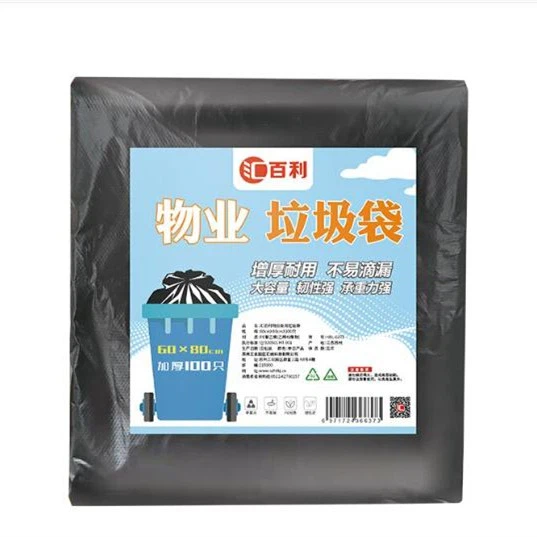
In addition to our plastic wraps, we also offer other household products, such as Garbage Bag and Tinfoil Roll. Our garbage bags are strong and durable, and they're available in different sizes and thicknesses to meet your needs. Our tinfoil rolls are perfect for baking, grilling, and wrapping food.
Contact Us for More Information
If you're interested in learning more about our Plastic Wrap products or have any questions about plastic wrap in general, please don't hesitate to contact us. We'd be happy to help you choose the right plastic wrap for your needs and provide you with more information about our products and services.
Thank you for reading our blog post, and we hope you found it informative and helpful!
References
- "Plastic Wrap." Wikipedia. Wikimedia Foundation, 15 Aug. 2023, en.wikipedia.org/wiki/Plastic_wrap.
- "Food Packaging Materials." U.S. Food and Drug Administration, 2023, www.fda.gov/food/food-packaging-sources/food-packaging-materials-introduction.
- "Biodegradable and Compostable Plastics." United States Environmental Protection Agency, 2023, www.epa.gov/smm/biodegradable-and-compostable-plastics.