

Do freshness bags have a good grip? This is a question that often comes up when consumers are considering which storage solutions to use for their food items. As a supplier of freshness bags, I've had extensive experience with these products and have witnessed firsthand how their grip can significantly impact their usability and effectiveness.
Understanding the Importance of Grip in Freshness Bags
The grip of a freshness bag refers to its ability to securely close and stay shut, preventing air, moisture, and contaminants from entering and keeping the contents fresh for longer. A good grip is essential for several reasons. Firstly, it helps to maintain the quality of the stored food. When a bag has a tight seal, it can effectively block out oxygen, which is one of the main factors that cause food to spoil. For example, fruits and vegetables can start to oxidize and lose their nutrients when exposed to air. A freshness bag with a strong grip can slow down this process, allowing the produce to stay fresh and crisp for days.
Secondly, a reliable grip is crucial for convenience. When you're in a hurry to put away leftovers or pack a lunch, you don't want to struggle with a bag that won't close properly. A freshness bag with a well - designed grip can be easily sealed and reopened, making it a practical choice for everyday use.
Factors Affecting the Grip of Freshness Bags
There are several factors that contribute to the grip strength of freshness bags. One of the most important is the type of closure mechanism. Most freshness bags use either a zipper - style closure or a press - to - seal design.
Zipper - style closures are popular because they offer a high level of security. The interlocking teeth of the zipper create a tight seal that can be difficult to break. However, the effectiveness of a zipper closure depends on its quality. A cheaply made zipper may not align properly, leading to gaps that allow air to enter. Additionally, over time, the teeth can become worn or damaged, reducing the grip strength.
Press - to - seal closures, on the other hand, work by using a strip of adhesive material or a textured surface that creates a bond when pressed together. These closures are often more flexible and easier to use than zippers. They can be quickly sealed and reopened multiple times without losing their grip. However, they may not be as airtight as zipper closures, especially if not pressed firmly enough.
Another factor that affects the grip is the material of the bag. High - quality polymers used in premium freshness bags can have better elasticity and memory, which means they can better conform to the closure mechanism and maintain a tight seal. Thicker materials are generally more durable and can provide a stronger grip, but they may also be more expensive.
Testing the Grip of Freshness Bags
To ensure that our freshness bags have a good grip, we conduct a series of rigorous tests. One of the most common tests is the air leak test. We fill the bags with a known volume of air and then measure the rate at which the air escapes over a certain period. A bag with a good grip should have a very low rate of air leakage.
We also perform a seal strength test. This involves attaching a weight to the sealed bag and gradually increasing the weight until the seal breaks. The maximum weight that the seal can withstand is a measure of its strength. Through these tests, we can fine - tune our manufacturing process and select the best materials and closure mechanisms to ensure optimal grip.
Comparing Freshness Bags with Other Storage Options
When it comes to food storage, freshness bags are not the only option available. Other popular choices include Garbage Bag (although they are mainly for waste but can sometimes be misused for storage), and Tinfoil Roll.
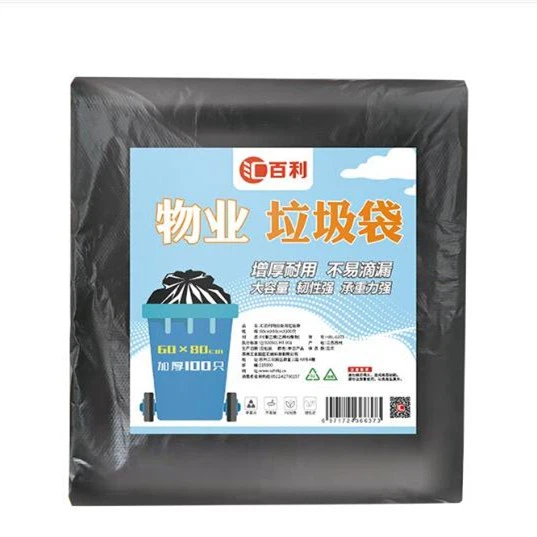
Garbage bags are typically made of thicker plastic and are designed to hold and contain waste. While they can be used to store large items, they do not have a specifically designed grip mechanism for food storage. They are often difficult to seal tightly, and their large size may not be suitable for storing small food items.
Tinfoil rolls are a classic food storage option. They can be wrapped around food items to create a barrier against air and light. However, they do not have a built - in closure system, and it can be challenging to create an airtight seal. The foil can also tear easily, exposing the food to air and contaminants.
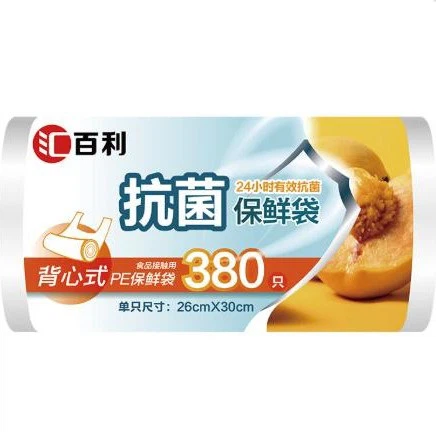
In comparison, Freshness Storage Bag offer a convenient and effective solution. Their specialized closure mechanisms ensure a secure grip, and they come in a variety of sizes to suit different needs.
Real - World Applications of Freshness Bags with Good Grip
In a household setting, freshness bags are used for a wide range of purposes. They are ideal for storing leftovers in the fridge, packing sandwiches and snacks for school or work, and even freezing food. A good - grip freshness bag can keep ice cream from developing ice crystals in the freezer and prevent the smell of strong - flavored foods from spreading in the fridge.
In a commercial setting, such as restaurants and food processing facilities, freshness bags are essential for maintaining food safety and quality. They can be used to store ingredients, marinate meats, and portion out food for distribution. A reliable grip ensures that the food remains fresh and uncontaminated until it is ready to be used.
Conclusion
So, do freshness bags have a good grip? In most cases, when you choose a high - quality product from a reputable supplier, the answer is yes. Our freshness bags are designed with the latest technology and the best materials to provide a strong, reliable grip. Whether you're storing a small piece of cheese or a large family - sized meal, our bags can keep your food fresh and protected.
If you're interested in learning more about our freshness bags or are looking for a reliable supplier for your business or household needs, we invite you to reach out to us for a procurement discussion. Our team of experts is ready to assist you in finding the perfect storage solution for your requirements.
References
- "Food Packaging Technology" - Roberts, R. J., & Holder, J. M.
- "Plastics in Food Packaging" - European Food Information Council.